
Fast, Certified Appliance Leak Cleanup for Nassau and Suffolk County Homes
Of all the water damage scenarios that Long Island homeowners face, appliance leaks are among the most deceptive. They start quietly, just a slow drip from a refrigerator water line pooling under the kickplate, a washing machine supply hose weeping at the connection behind the machine, a dishwasher door seal that’s lost its integrity and releasing a thin sheet of water onto the cabinet floor with every cycle. By the time most Long Island homeowners notice something is wrong, the water has already been moving through their floors, under their cabinets, and into their wall cavities for days, weeks, or in some cases months.
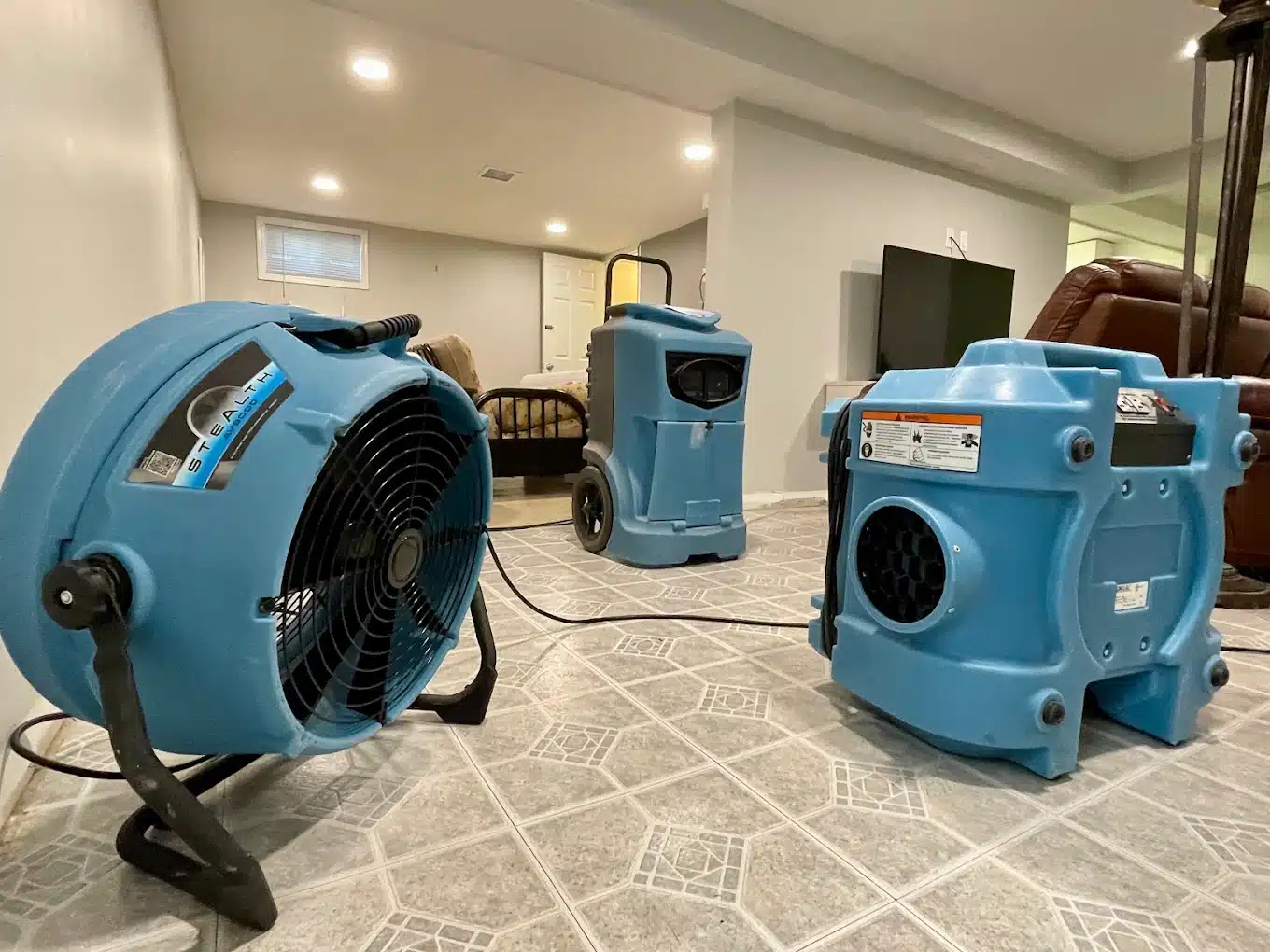
UWRG of Long Island provides appliance leak cleanup services in Long Island, NY, specifically designed to find and address the full extent of that hidden damage. Our IICRC-certified technicians use thermal imaging and calibrated moisture meters to map every inch of water migration from the source outward, identifying affected materials that have no visible surface signs of saturation. We extract, dry, remediate, and restore with the same standard of care we bring to every restoration project, and we handle direct insurance billing and claims documentation so the process is as straightforward as possible from the homeowner’s perspective.
Common Appliances That Cause Water Damage on Long Island
Understanding which appliances are most likely to experience leaks and how they fail helps homeowners recognize the warning signs early.
Here are the most common sources of appliance leak water damage we respond to across Nassau and Suffolk County.
Washing Machine Hose & Drum Failures
Washing machine supply hose failures are among the most sudden and high-volume appliance leak scenarios in Long Island homes.
Our washing machine leak cleanup response addresses:
- Full-pressure water release from failed supply hoses that can flood a laundry room within minutes
- Water migration through floor assemblies into finished basements directly below laundry rooms
- Saturation of wall cavities and ceiling structures in spaces adjacent to or beneath the failure point
- Moisture mapping of all affected areas beyond the visible damage in the laundry room itself
- Extraction, structural drying, and material assessment throughout the full migration path
Refrigerator Ice Maker & Water Line Leaks
Refrigerator water line leaks are among the most common slow-leak scenarios in Long Island kitchens, and among the most frequently undetected.
Our refrigerator leak cleanup response addresses:
- Hidden moisture pooled beneath the unit and saturating the flooring and subfloor below
- Wall material saturation behind the refrigerator where water has wicked upward and outward
- Thermal imaging to identify the full extent of moisture migration beyond the visible area
- Targeted extraction and drying of hardwood, tile, and subfloor assemblies in the affected zone
- Assessment of whether flooring can be dried in place or requires removal and replacement
Dishwasher Overflow & Door Seal Failures
Dishwasher leaks follow two distinct patterns, each producing a different damage profile. Door seal failures release water gradually with every wash cycle, while drain line failures and overflow events release larger volumes more suddenly.
Our dishwasher leak cleanup response addresses:
- Water saturating kitchen flooring and migrating under adjacent base cabinets
- Subfloor assembly moisture from repeated gradual releases or a single overflow event
- Cabinet interior moisture and deterioration from prolonged exposure
- Thermal imaging to identify saturation boundaries beneath tile or hardwood surfaces
- Subfloor assessment and repair prior to any finish flooring replacement
Water Heater Tank Leaks & Ruptures
Water heaters have a typical service life of eight to twelve years, and Long Island homes have a significant number of units operating well past that range. When a tank lets go, it can release 40 to 80 gallons into the surrounding space before anyone notices.
Our water heater leak cleanup response addresses:
- High-volume water release from tank ruptures saturating surrounding flooring and walls
- Moisture migration into finished basement framing, drywall, and flooring assemblies
- Full moisture mapping to identify the complete affected area beyond the immediate surrounding space
- Extraction, structural drying, and daily monitoring until target moisture levels are confirmed
- Material removal and replacement assessment for drywall, flooring, and insulation where saturation requires it
HVAC Condensate Line Backups
Central air conditioning systems produce condensate water as part of normal operation, routed out through a drain line that can clog with algae, mold, or debris over time. When the line backs up and the drip pan overflows, the water releases directly onto whatever is below the air handler.
Our HVAC condensate leak cleanup response addresses:
- Overflow water saturating attic insulation and ceiling assemblies below the air handler
- Hidden moisture in ceiling cavities that standard inspection cannot detect without thermal imaging
- Water staining and structural material saturation in the rooms beneath the affected area
- Full thermal imaging scan to map the extent of moisture migration from the overflow point downward
- Extraction, targeted drying, and insulation assessment throughout the affected attic and ceiling space
Schedule Your Appliance Leak Cleanup Services Today
UWRG of Long Island provides appliance leak cleanup services in Long Island, NY, and across Nassau and Suffolk County with 24/7 availability, free visual assessments, and direct insurance billing that simplifies the claims process from start to finish. Call us today and let our certified technicians find the full picture of what that leak actually did to your home.