

Water leaks may seem like a minor nuisance, but they can become a considerable problem for homeowners. According to the Environmental Protection Agency (EPA), the average home loses nearly 10,000 gallons of water yearly due to leaks. One in ten households has leaks, wasting 90 gallons of water or more daily. To help homeowners address this issue, the EPA promotes Fix a Leak Week, an annual event dedicated to finding and repairing household water leaks.
Fix a Leak Week takes place in March—this year, March 17-23, 2025—and reminds homeowners that small changes can have a substantial impact. This nationwide effort encourages homeowners to inspect plumbing, fix leaks, and adopt water-saving habits. United Water Restoration Long Island will now explore how to identify leaks, the best ways to fix them, and preventative measures to keep your home leak-free. These are not just things you can do during Fix a Leak Week but all year.
Why Fixing Leaks Matters
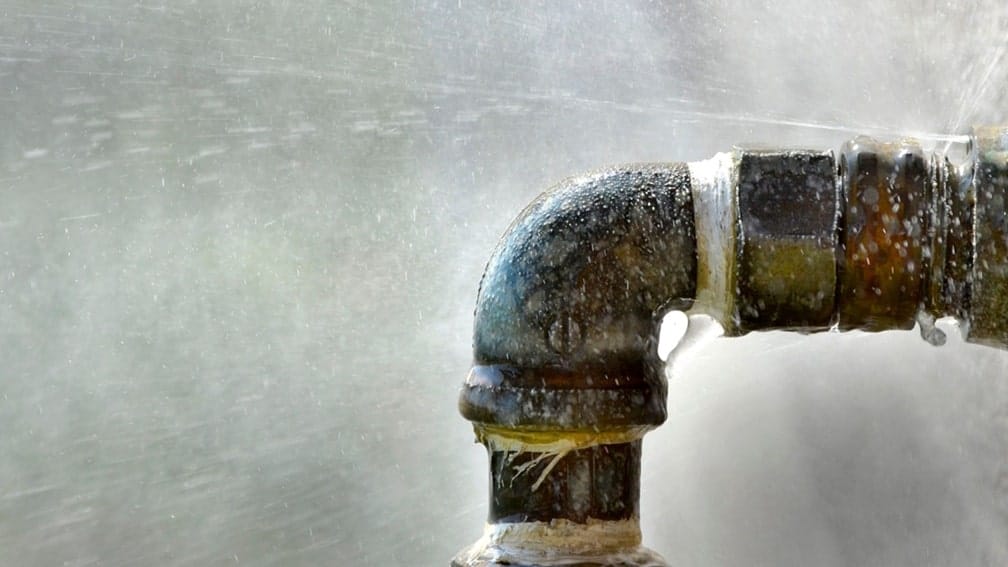
Even a slow, steady water leak can have significant consequences over time. Here’s why fixing leaks should be a priority for every homeowner:
- Water Conservation – According to the EPA, household leaks can waste nearly 1 trillion gallons of water annually in the U.S. That’s enough to supply water to millions of homes for a year!
- Lower Utility Bills – Fixing water leaks can save homeowners about 10% on their water bills.
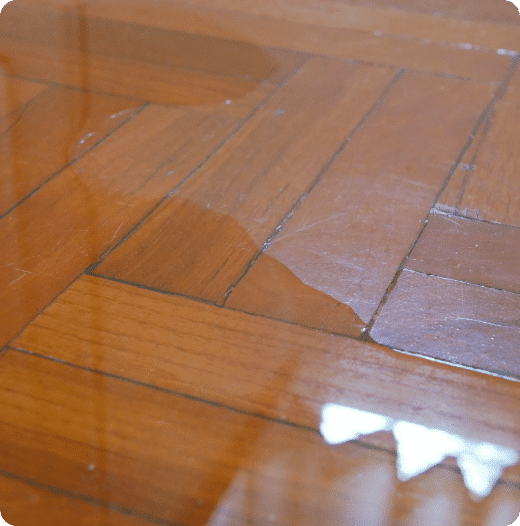
- Prevent Property Damage – Unrepaired leaks can lead to structural issues, mold growth, and serious repairs. Quickly fixing leaks helps prevent long-term damage to your home.
- Environmental Impact – Using less water reduces strain on local water sources, assisting communities to maintain sustainable water supplies, especially in areas prone to droughts.
How to Find Hidden Leaks
Some leaks are obvious—like a dripping faucet or a puddle under the sink—but others are hidden behind walls or underground. Here’s how homeowners can detect leaks before they become costly problems:
1. Check Your Water Meter
- First, turn off all water-using appliances and faucets.
- Next, locate your water meter and take a reading.
- Wait for two hours (without using water) and recheck the meter. If the number has changed, you likely have a hidden leak.
2. Inspect Faucets and Fixtures
- Listen for dripping sounds, even if you don’t see water pooling.
- Look for signs of water stains, mold, or corrosion around faucets, sinks, and tubs.
- Replace worn-out washers or O-rings to stop minor leaks before they worsen.
3. Test Your Toilets for Leaks
- First, put a few drops of food coloring into the toilet tank.
- Wait 10-15 minutes without flushing.
- If the color appears in the bowl, you have a silent toilet leak, likely caused by a faulty flapper.
4. Examine Your Water Heater and Appliances
- Check around your water heater, dishwasher, and washing machine for damp spots or rust.
- Listen for unusual hissing or dripping sounds, indicating a slow leak.
5. Look for Outdoor Leaks
- Inspect hose bibs, sprinkler systems, and outdoor faucets for leaks.
- Ensure your irrigation system isn’t wasting water by overwatering or creating soggy patches in your lawn.
How to Fix Common Household Leaks
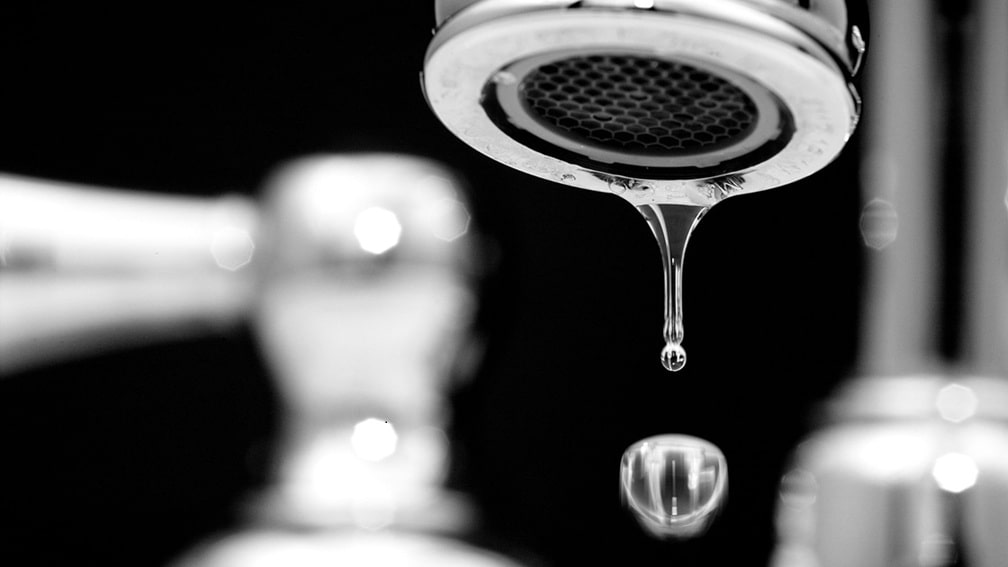
Many minor leaks can be fixed with simple DIY solutions. Here’s how to address the most common culprits:
Dripping Faucets
- Turn off the water supply.
- Remove the faucet handle and replace worn washers, O-rings, or cartridges.
- Reassemble and test the faucet to ensure it’s leak-free.
Running Toilets
- Replace the flapper valve inside the tank if it’s worn or warped.
- Adjust the float to prevent excess water from entering the tank.
- If necessary, replace the fill valve to stop continuous running.
Leaky Showerheads
- Remove the showerhead and soak it in vinegar to dissolve mineral buildup.
- Wrap the pipe threads with plumber’s tape before reattaching the showerhead to ensure a tight seal.
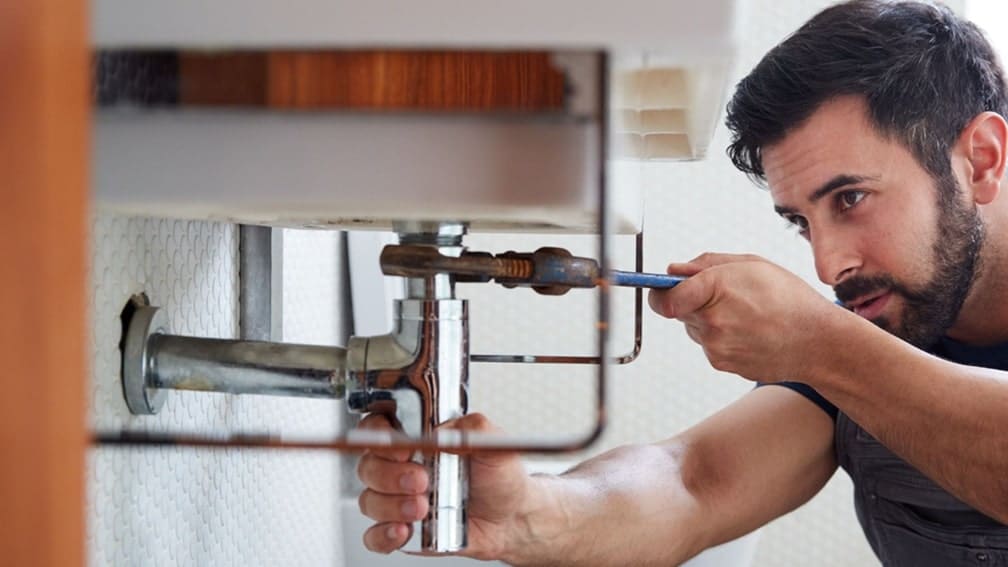
Leaky Pipes Under Sinks
- Tighten loose pipe connections using a wrench.
- Apply pipe tape or sealant to minor leaks.
- Replace damaged pipes if necessary, or call a plumber for water leak repair services.
Preventative Tips to Keep Your Home Leak-Free
Fixing existing water leaks is important, but preventing future leaks is even better. Here are some proactive measures homeowners can take:
- Inspect your plumbing regularly – Check under sinks, toilets, and nearby appliances for any signs of moisture or mold.
- Install water leak detectors – Smart leak detection devices alert you to water issues before they cause damage.
- Replace old plumbing components – If your home has aging pipes or fixtures, consider upgrading to more durable, water-efficient options.
- Winterize outdoor faucets – Before freezing temperatures hit, disconnect garden hoses and insulate outdoor pipes to prevent bursting.
- Monitor your water bill – A sudden increase in your water bill may indicate a hidden leak. Address unexpected spikes promptly.
Turn Awareness into Action
Fix a Leak Week reminds you to reduce water waste and protect your home. By identifying and repairing leaks, homeowners can conserve water, lower utility bills, and prevent costly water damage. Whether you tackle a DIY fix or call in a professional, every repair helps make a difference.
Common household leaks include worn toilet flappers, dripping faucets, and other leaking valves. These leaks are often easy to fix, requiring only a few tools and hardware that can pay for themselves in water savings.
This March, inspect your home, fix leaks, and encourage family, friends, and neighbors to do the same. Small efforts can add up to sizeable savings for your wallet and the environment.
When to Call a Local Plumber
If you encounter a leak you can’t repair alone, it’s a good idea to call a local plumbing company. Some leaks, especially those hidden behind walls or underground, require advanced tools and the skills to fix them correctly. A professional plumber can help diagnose and resolve complex issues, ensuring your home stays leak-free and efficient.